Understanding the Multilingual Classroom
As the world becomes increasingly interconnected, classrooms are reflecting this diversity more than ever. In 2026, educators are facing the challenge of teaching students who speak multiple languages. This multilingual environment can enrich the learning experience but also presents unique challenges that require innovative approaches.
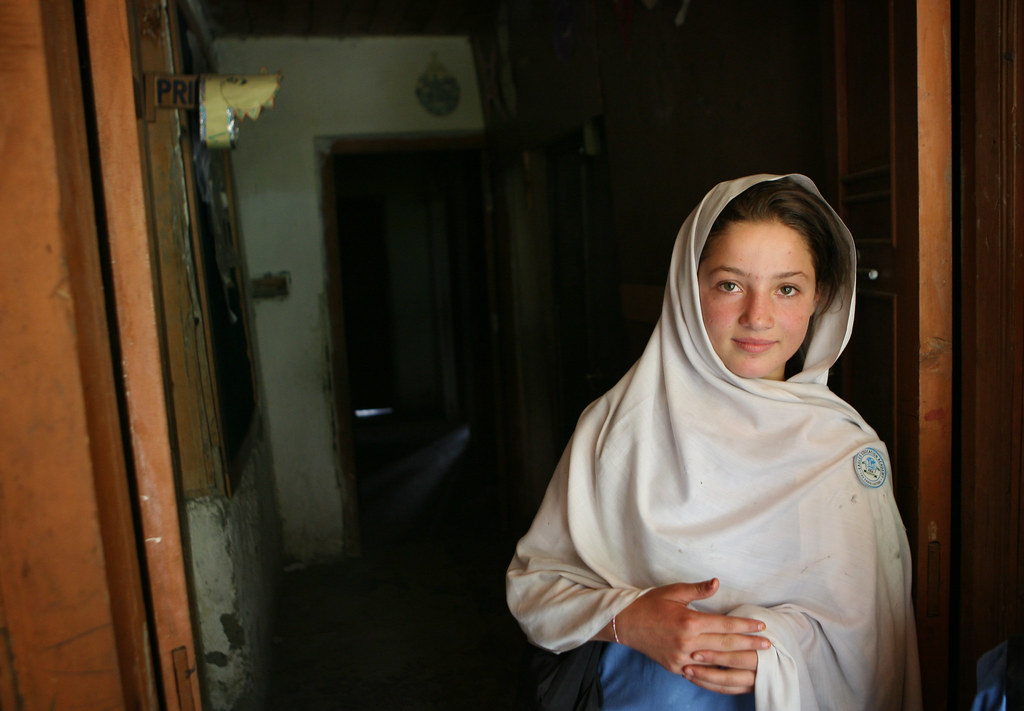
The Importance of Cultural Competence
To effectively teach in a multilingual classroom, educators must develop cultural competence. This involves understanding the cultural contexts of their students, including linguistic backgrounds, traditions, and learning styles. By fostering an inclusive atmosphere, teachers can help students feel valued and improve their academic performance.
Strategies to Enhance Cultural Competence
- Engage with Families: Establishing relationships with students’ families can provide insights into their cultural backgrounds. Regular communication helps in understanding their needs and expectations.
- Professional Development: Teachers should seek training on cultural awareness and multilingual education, equipping them with the tools to address diverse classroom dynamics.
- Collaborate with Colleagues: Sharing strategies and experiences with fellow educators can lead to a richer understanding of best practices in multilingual teaching.
Teaching Strategies for Multilingual Classrooms
Employing diverse teaching strategies is crucial for addressing the varied linguistic needs of students. Here are some effective methods:
Incorporate Multimedia Resources
Utilizing videos, audio recordings, and interactive platforms can transcend language barriers. These resources allow students to engage with content in various formats, catering to different learning preferences.
Implement Peer Learning
Encouraging students to work in pairs or small groups promotes collaboration and language exchange. This not only enhances language skills but also builds a sense of community within the classroom.
Use Visual Aids
Visual aids such as charts, infographics, and diagrams can help clarify concepts and vocabulary. These tools are particularly beneficial for visual learners and those who may struggle with language comprehension.
Assessment in a Multilingual Context
Assessing students’ understanding in a multilingual classroom can be challenging. Traditional testing methods may not accurately reflect students’ knowledge. Instead, consider alternative assessment strategies:
Portfolio Assessment
Allow students to compile a portfolio showcasing their work over time. This method provides a more comprehensive view of their learning journey, beyond what can be captured in a single test. Also read: gan89 for more insights.
Performance-Based Assessment
Encourage students to demonstrate their understanding through projects, presentations, or practical applications. These assessments can highlight their skills and knowledge more effectively.
Formative Assessment Techniques
Regular informal assessments, such as quizzes, discussions, and reflections, can provide insight into students’ progress and areas needing support.
Creating an Inclusive Classroom Environment
An inclusive environment is essential for fostering engagement and participation in a multilingual classroom. Here are key elements to consider:
Encourage Language Sharing
Invite students to share their languages and cultures through presentations or class discussions. This not only validates their identities but also enriches the learning experience for others.
Set Clear Expectations
Clearly communicating classroom rules and academic expectations helps all students, regardless of language proficiency, understand what is required of them.
Celebrate Diversity
Observing cultural holidays and events can reinforce the value of diversity. By acknowledging different traditions, educators can foster a sense of belonging among students.
Future Trends in Multilingual Education
Looking ahead, several trends are likely to shape multilingual education:
- Increased Use of Technology: Digital tools will continue to play a pivotal role in supporting language learning and facilitating communication among students.
- Focus on Bilingualism: As research highlights the benefits of bilingualism for cognitive development, more educators will embrace teaching strategies that promote dual language proficiency.
- Policy Changes: Advocacy for multilingual education policies may increase, leading to more resources and support for teachers in diverse classrooms.
Conclusion
The multilingual classroom of 2026 presents both opportunities and challenges. By embracing cultural competence, employing diverse teaching strategies, and fostering an inclusive environment, educators can create a rich learning experience for all students. As we move forward, staying informed about trends in multilingual education will be crucial for fostering success in our increasingly diverse societies.