Introduction
As we move deeper into 2026, the landscape of education continues to evolve, driven by technology and the pressing need for human connection. Students today are not just passive recipients of information; they are active participants in their learning journeys. This article explores how to effectively integrate technology while maintaining the vital human elements that foster meaningful learning experiences.
The Role of Technology in Modern Education
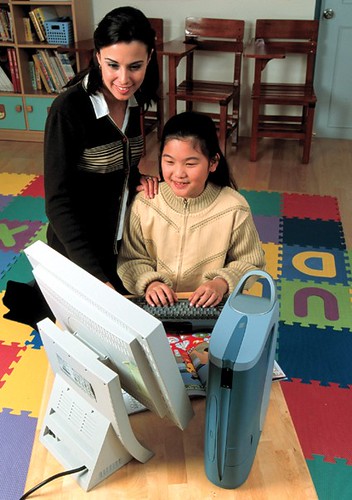
In recent years, technology has transformed how we approach education. Tools like virtual classrooms, online resources, and learning management systems have made learning more accessible. However, the challenge remains: how do we leverage these innovations without sacrificing the interpersonal interactions that are crucial for holistic development?
Adaptive Learning Technologies
Adaptive learning technologies have become increasingly sophisticated. These platforms analyze student performance in real time, allowing for personalized learning experiences. Students can progress at their own pace, enhancing their understanding and engagement.
- Tailored Learning Paths: Students receive content suited to their learning styles and needs.
- Immediate Feedback: Instant assessments help students and educators identify areas for improvement.
- Engagement Metrics: Analytics help teachers understand student engagement levels better.
Enhancing Collaboration Through Technology
Collaboration is essential in education. Current platforms allow students to work together on projects regardless of their physical locations. This not only fosters teamwork but also prepares students for the collaborative nature of modern workplaces.
- Online Discussion Forums: Students can discuss topics and share ideas outside of traditional classrooms.
- Shared Digital Workspaces: Tools like Google Workspace facilitate real-time collaboration on documents and presentations.
- Peer Review Systems: Students can give and receive feedback on each other’s work, enhancing critical thinking skills.
The Importance of Human Connection
While technology offers numerous benefits, the importance of human interaction cannot be overstated. Building relationships between educators and students fosters a sense of belonging, which is crucial for student motivation and success.
Emphasizing Social-Emotional Learning
Social-emotional learning (SEL) is gaining traction as educators recognize its importance for student well-being. SEL programs focus on developing skills such as empathy, emotional regulation, and interpersonal communication.
- Building Relationships: SEL encourages connections between students and teachers, enhancing trust.
- Conflict Resolution Skills: Students learn to navigate disagreements and develop mutual respect.
- Self-Awareness: Understanding one’s emotions can lead to better decision-making and improved academic performance.
Creating a Supportive Classroom Environment
A supportive classroom environment is essential for fostering human connections. Teachers can cultivate this environment by encouraging open communication and creating inclusive spaces where all students feel valued.
- Encouragement of Expression: Allowing students to express their thoughts and feelings creates an atmosphere of trust.
- Inclusivity: Acknowledging and celebrating diverse backgrounds enriches the learning experience.
- Mentorship: Establishing mentorship programs helps students build relationships with peers and educators.
Finding Balance: Technology and Connection
The ultimate goal for educators in 2026 is to find a harmonious balance between technology and human connection. Here are some strategies to achieve this balance:
- Blended Learning Models: Combine online learning with face-to-face interactions to maintain engagement while leveraging technology.
- Facilitate Human Interaction: Incorporate activities that require collaboration to encourage personal connections among students.
- Monitor Technology Use: Educators should be mindful of when technology is beneficial and when it might detract from personal interactions.
The Future is Hybrid
As we look toward the future of education, a hybrid approach that embraces both technology and human connection seems to be the most promising path forward. By integrating adaptive learning technologies with a strong focus on building relationships, educators can create enriching, personalized experiences that prepare students for the complexities of the modern world.
Conclusion
The education landscape in 2026 is characterized by rapid technological advancements paired with a renewed emphasis on human connections. By harnessing technology thoughtfully while prioritizing interpersonal relationships, we can cultivate a generation of learners who are not only knowledgeable but also empathetic and resilient. The future of education depends on our ability to navigate these dual priorities effectively.