Introduction to Personalized Learning
As we navigate through 2026, the education landscape continues to evolve, pushing the boundaries of how we engage with learners. Personalized learning, in particular, has emerged as a vital strategy to address the unique needs, interests, and strengths of each student. This approach tailors educational experiences, making them more relevant and effective.
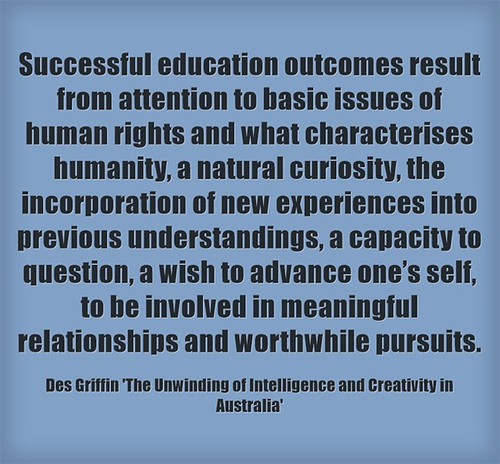
The Shift Towards Personalization
Traditionally, education has been one-size-fits-all. But in today’s diverse world, it’s crucial to develop educational methods that cater to individual learning styles. By focusing on personalized learning, educators can foster a more inclusive environment that empowers every student to achieve their full potential.
Benefits of Personalized Learning
- Enhanced Engagement: Students are more likely to engage with material that resonates with their interests and goals.
- Improved Learning Outcomes: Tailoring the learning experience can lead to better comprehension and retention of information.
- Greater Student Autonomy: Personalized learning allows students to take charge of their educational journeys, fostering independence and critical thinking.
Key Components of Personalized Learning
To effectively implement personalized learning approaches, several critical components should be considered:
1. Learner Profiles
Creating detailed learner profiles is essential for understanding each student’s background, strengths, and areas for growth. These profiles enable educators to tailor lessons that meet individual needs.
2. Flexible Learning Environments
Flexible learning environments support varied teaching methods and learning styles. This can include blended learning, online platforms, and traditional face-to-face instruction.
3. Ongoing Assessment and Feedback
Regular assessments and constructive feedback are vital in personalized learning. They help monitor progress and allow educators to adjust strategies as needed.
Technology’s Role in Personalizing Learning
Technology plays a significant role in facilitating personalized learning. From adaptive learning platforms to learning management systems, various tools make it easier to customize educational experiences. Here are some technology-driven strategies:
1. Adaptive Learning Software
Adaptive learning software adjusts the difficulty of tasks based on student performance, allowing for a tailored learning experience that matches each learner’s pace.
2. Learning Analytics
Learning analytics tools provide insights into student performance, helping educators identify trends and areas that require attention.
3. Online Resources and Platforms
Access to a wealth of online resources enables learners to pursue topics of interest at their own pace, enriching their educational experience.
Implementing Personalized Learning in the Classroom
For educators looking to implement personalized learning methodologies, consider the following steps:
1. Set Clear Learning Goals
Establish clear, achievable goals for each student based on their individual profiles. This will guide the personalized learning process.
2. Foster a Collaborative Learning Culture
Encourage students to collaborate and learn from one another. Peer learning can enhance understanding and provide different perspectives.
3. Provide Support and Resources
Offer various resources—such as mentoring, tutoring, and online materials—to support diverse learning pathways.
Challenges and Considerations
Despite the benefits, implementing personalized learning does come with challenges:
- Resource Intensive: Personalization requires significant time and resources for planning and execution.
- Diverse Needs: Addressing the varied needs of every student can be a significant undertaking.
- Training for Educators: Teachers must be adequately trained to implement these strategies effectively.
The Future of Personalized Learning
Looking ahead, personalized learning will likely continue to grow in importance. As educators adapt to changing societal needs and technological advancements, this approach will become increasingly standard. By prioritizing personalized learning, we can create a more effective and inclusive education system that prepares students for success in an ever-evolving world.
Conclusion
In conclusion, personalized learning is not just a trend; it’s a fundamental shift in how we view education. By embracing innovative approaches and leveraging technology, educators can transform the learning experience and equip students with the skills they need to thrive in the future.