The Shift Towards Holistic Education in 2026
As we navigate through 2026, the educational landscape is rapidly transforming. Traditional teaching methods, once centered solely around academic achievement, are giving way to a more inclusive approach that encompasses emotional, social, and physical development. This shift towards holistic education reflects a growing recognition that a well-rounded student is essential for personal fulfillment and societal progress.
What is Holistic Education?
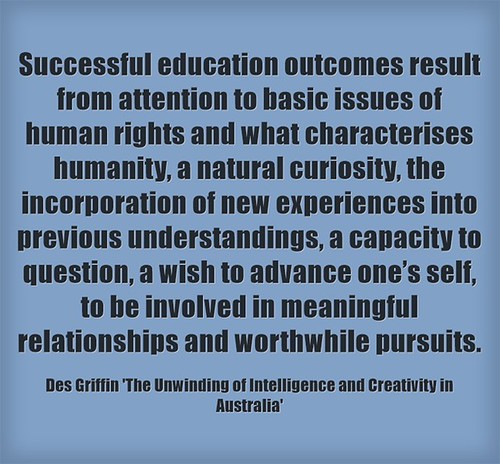
Holistic education is an approach that addresses the whole child. It emphasizes the development of intellectual, emotional, social, physical, artistic, creative, and spiritual potentials. This comprehensive framework promotes a learning environment that nurtures all aspects of a student’s personality, preparing them for the complexities of modern life.
Key Principles of Holistic Education
- Integrated Learning: Lessons are designed to connect different subjects, showing students how knowledge is interrelated.
- Student-Centered Approaches: Learners are encouraged to take an active role in their education, fostering independence and critical thinking.
- Emotional and Social Development: Programs are in place to develop soft skills such as empathy, teamwork, and communication.
- Community Involvement: Schools engage with families and local organizations, creating a supportive network for students.
- Mindfulness and Well-being: Practices such as meditation and yoga are integrated into the curriculum to promote mental health and resilience.
The Importance of Holistic Education in Today’s Society
In an age where technological advancements and globalization significantly impact the workforce, holistic education prepares students to adapt and excel. Below are several reasons why this paradigm shift is crucial:
1. Preparing for a Complex World
As societal challenges become more complex—ranging from climate change to social justice—students must develop critical thinking and problem-solving skills that transcend traditional boundaries. Holistic education encourages them to think creatively and collaboratively.
2. Promoting Lifelong Learning
Students educated in a holistic environment are more likely to develop a love for learning that lasts a lifetime. By focusing on their interests and passions, they are empowered to pursue knowledge beyond the classroom.
3. Enhancing Emotional Intelligence
Emotional intelligence (EI) is increasingly recognized as a valuable asset in the workplace. Holistic education nurtures EI by teaching students to recognize and manage their emotions, as well as understand and influence the emotions of others.
Implementing Holistic Education in Schools
Transitioning to a holistic education model requires systemic change at multiple levels. Schools must adopt practices that foster a nurturing environment:
Curriculum Design
Schools should prioritize curricula that integrate themes across subjects. For example: Also read: wak89 for more insights.
- Project-Based Learning: Students can tackle complex problems, encouraging collaboration and critical thinking.
- Interdisciplinary Approaches: Combining science with art or history leads to richer learning experiences.
Training Educators
Professional development for teachers is essential. They need training to implement holistic practices, such as:
- Classroom Management Techniques: Creating supportive environments where emotional expression is safe and encouraged.
- Flexible Teaching Styles: Adapting lessons to accommodate diverse learning styles and needs.
Community Partnerships
Forming partnerships with local organizations can enhance educational experiences. Schools can:
- Host Workshops: Collaborate with mental health professionals for student support.
- Engage Local Experts: Involve community members in sharing real-world applications of academic knowledge.
Challenges and Considerations
While the benefits of holistic education are clear, implementing this approach is not without challenges:
1. Resistance to Change
Traditional views on education may resist the shift towards holistic models. Ongoing advocacy and education about its benefits are necessary to facilitate acceptance.
2. Resource Allocation
Holistic education may require additional resources, such as training and specialized materials. Schools must seek funding and community support to bridge these gaps.
3. Measuring Success
Standardized testing often dominates educational evaluation. New metrics must be developed to assess emotional, social, and creative growth alongside academic performance.
Conclusion: A Holistic Future for Education
As we look forward to the future of education, embracing a holistic approach will be instrumental in developing well-rounded individuals capable of navigating an ever-evolving world. By nurturing the emotional, social, and intellectual capacities of our students, we prepare them not just for careers but for life. As educators, parents, and community members, we have the opportunity to shape a brighter future through holistic education.